- Home
- Free Sample Pack
Free Sample Pack
Free shipping On all orders over $99.
Free Sample Pack
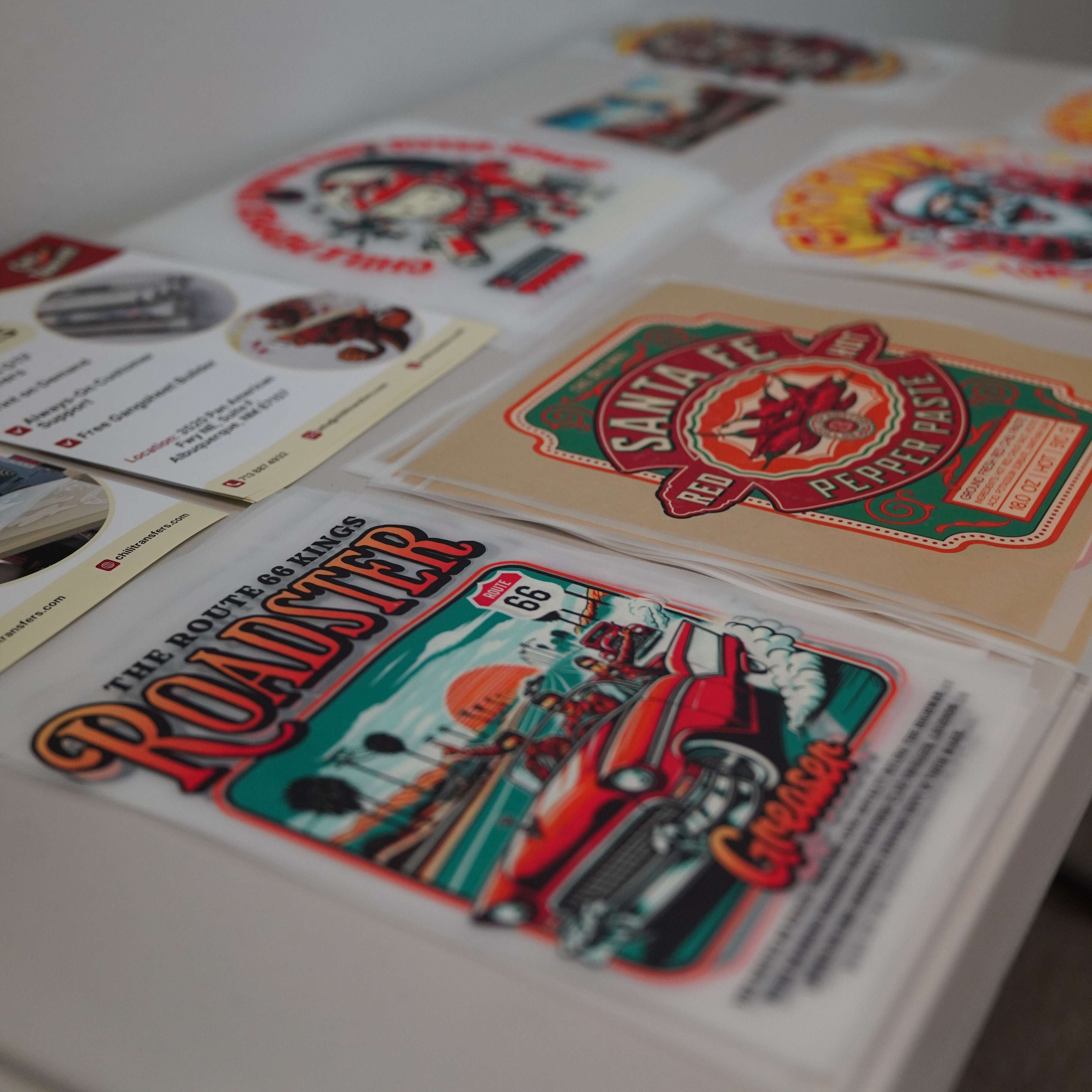
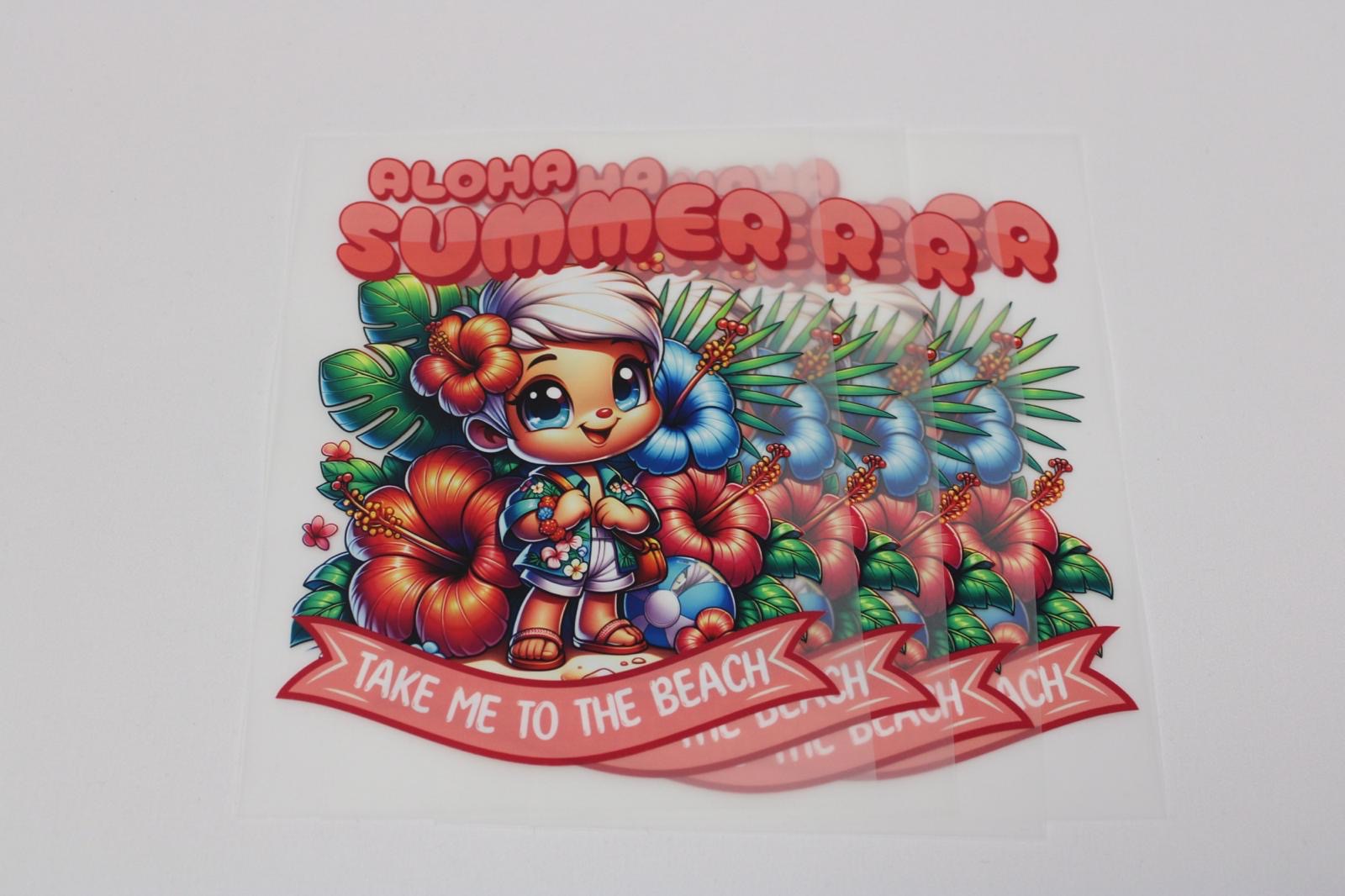
A DTF sample pack can help you evaluate a transfer workflow before committing to a larger order. Instead of judging a product only from specifications or images, a sample gives you something you can inspect, press, and compare within your own apparel setup.
Chili Transfers currently lists a Free Sample Pack for customers who want to review sample transfer output before moving into larger production decisions.
What Is a DTF Sample Pack?
A DTF sample pack is a small testing option intended to help you evaluate transfer appearance and application before placing a larger order.
The most useful way to approach a sample is not simply to ask whether it “looks good.” Test it against the same conditions you expect to use in real production.
What Should You Test With a DTF Sample?
A sample can help you evaluate several practical parts of the finished-transfer workflow.
- Artwork clarity.
- Small text and fine details.
- Color appearance.
- Transfer edges.
- Application behavior.
- Peel behavior.
- Compatibility with the garment you normally use.
- Finished appearance after pressing.
Documenting those observations gives you a more useful comparison than relying on a general “good” or “bad” impression.
Use Your Normal Garment for Testing
If possible, test the sample on the type of blank garment you normally decorate.
A transfer may behave differently depending on:
- Fabric composition.
- Garment construction.
- Surface texture.
- Garment color.
- Heat sensitivity.
- Seams or raised areas near the decoration zone.
Testing on an unrelated fabric does not tell you as much about how the transfer will perform in your real production workflow.
Follow the Sample Application Instructions
Do not apply a sample using generic DTF settings simply because they worked with another transfer.
The correct process may depend on:
- Temperature.
- Pressing time.
- Pressure.
- Peel method.
- Whether a finishing press is required.
Use the application instructions supplied for the specific sample or transfer being tested.
Test One Variable at a Time
A sample test is easier to evaluate when several production variables are not changed at once.
For example, if you are comparing a new transfer, keep the garment and pressing setup as close as possible to your normal workflow.
This makes it easier to determine whether a different result came from the transfer itself or from a different garment, press setting, or placement method.
Create a Simple Sample Test Record
A short production note can make sample testing more useful, especially when you compare more than one transfer option.
Record These Details
- Sample or transfer identification.
- Garment product.
- Garment color.
- Transfer size.
- Placement.
- Application instructions used.
- Peel behavior.
- Visible result after pressing.
- Any issue that appeared during application.
Use the same evaluation method when testing another sample so the comparison remains consistent.
Inspect Fine Details Before and After Pressing
Small text, narrow lines, isolated elements, and detailed edges can reveal production differences that are harder to notice in large solid artwork.
Before pressing, inspect the transfer itself. After application, check whether the details remain visually complete and whether any small elements behaved differently during peeling.
Evaluate Placement and Transfer Size
A sample can also help you understand how a transfer looks at a real physical size.
Artwork that appears balanced on a screen may look too large or too small on the garment.
Before pressing:
- Select the actual garment.
- Choose the intended placement.
- Measure the available decoration area.
- Compare that area with the sample dimensions.
- Check whether the scale fits your normal production needs.
Sample Testing Before a Larger DTF Order
Testing can be particularly useful before:
- Changing transfer suppliers.
- Using a new garment.
- Introducing a new transfer type.
- Preparing repeat business apparel.
- Producing a larger multi-garment order.
- Standardizing a new heat-press workflow.
The objective is to identify issues while the test is still small rather than after the full production quantity has been committed.
Sample Pack vs. Ordering a Custom Transfer
A sample pack and a custom DTF transfer answer different questions.
A sample pack helps you inspect and test an example transfer workflow.
A custom DTF transfer is appropriate when you already have artwork and need the transfer produced at the dimensions required for your actual project.
For custom artwork, review DTF Transfers.
Do You Need DTF Production Supplies to Test a Prepared Sample?
Not necessarily. If the sample arrives as a prepared transfer, the test can focus on garment selection and heat-press application rather than printing the transfer yourself.
This is different from testing an in-house DTF production system, which may involve printer ink, film, adhesive powder, curing equipment, and maintenance supplies.
If you are evaluating an in-house workflow instead, review DTF Supplies.
Common DTF Sample Testing Mistakes
Using a Garment You Never Normally Produce
Test against your actual production environment whenever possible.
Changing Several Variables at Once
If the garment, transfer, press settings, and placement are all different, it becomes harder to identify why the result changed.
Using Generic Press Settings
Follow the instructions supplied for the sample or transfer being tested.
Evaluating Only the Color
Also inspect fine details, placement, adhesion behavior, peeling, and the finished garment surface.
Failing to Record the Test
Without notes, comparing two samples later becomes dependent on memory.
DTF Sample Test Checklist
- Sample identified.
- Normal production garment selected.
- Garment color confirmed.
- Decoration area checked.
- Application instructions reviewed.
- Transfer positioned consistently.
- Finished result inspected.
- Fine details checked.
- Peel behavior documented.
- Test results recorded for comparison.
Frequently Asked Questions
What is a DTF sample pack?
A DTF sample pack is a small testing option that can help you inspect a transfer and evaluate how it fits your garment and heat-press workflow before moving into a larger order.
Does Chili Transfers offer a free sample pack?
Chili Transfers currently lists a Free Sample Pack product on its website.
What should I test first?
Use a garment similar to the one you normally produce and follow the application instructions supplied with the transfer. Then inspect placement, fine details, peel behavior, and the finished result.
Should I test several fabrics?
Test the garment types that are relevant to your actual business or project. There is little value in testing unrelated materials simply to increase the number of tests.
Can a sample replace a full production test?
A sample is useful for initial evaluation, but a new garment, artwork size, or production setup may still require its own controlled test before a larger order.
Final Thoughts
A DTF sample pack is most useful when it is treated as a controlled production test rather than simply a free item.
Choose a relevant garment, follow the supplied application instructions, inspect the transfer carefully, and document the result. That gives you a clearer basis for deciding whether the transfer workflow fits the apparel products you actually produce.
To begin testing, review the Free Sample Pack. For custom production orders, explore DTF Transfers.
Share:
Couldn't load pickup availability
Description
A DTF sample pack can help you evaluate a transfer workflow before committing to a larger order. Instead of judging a product only from specifications or images, a sample gives you something you can inspect, press, and compare within your own apparel setup.
Chili Transfers currently lists a Free Sample Pack for customers who want to review sample transfer output before moving into larger production decisions.
What Is a DTF Sample Pack?
A DTF sample pack is a small testing option intended to help you evaluate transfer appearance and application before placing a larger order.
The most useful way to approach a sample is not simply to ask whether it “looks good.” Test it against the same conditions you expect to use in real production.
What Should You Test With a DTF Sample?
A sample can help you evaluate several practical parts of the finished-transfer workflow.
- Artwork clarity.
- Small text and fine details.
- Color appearance.
- Transfer edges.
- Application behavior.
- Peel behavior.
- Compatibility with the garment you normally use.
- Finished appearance after pressing.
Documenting those observations gives you a more useful comparison than relying on a general “good” or “bad” impression.
Use Your Normal Garment for Testing
If possible, test the sample on the type of blank garment you normally decorate.
A transfer may behave differently depending on:
- Fabric composition.
- Garment construction.
- Surface texture.
- Garment color.
- Heat sensitivity.
- Seams or raised areas near the decoration zone.
Testing on an unrelated fabric does not tell you as much about how the transfer will perform in your real production workflow.
Follow the Sample Application Instructions
Do not apply a sample using generic DTF settings simply because they worked with another transfer.
The correct process may depend on:
- Temperature.
- Pressing time.
- Pressure.
- Peel method.
- Whether a finishing press is required.
Use the application instructions supplied for the specific sample or transfer being tested.
Test One Variable at a Time
A sample test is easier to evaluate when several production variables are not changed at once.
For example, if you are comparing a new transfer, keep the garment and pressing setup as close as possible to your normal workflow.
This makes it easier to determine whether a different result came from the transfer itself or from a different garment, press setting, or placement method.
Create a Simple Sample Test Record
A short production note can make sample testing more useful, especially when you compare more than one transfer option.
Record These Details
- Sample or transfer identification.
- Garment product.
- Garment color.
- Transfer size.
- Placement.
- Application instructions used.
- Peel behavior.
- Visible result after pressing.
- Any issue that appeared during application.
Use the same evaluation method when testing another sample so the comparison remains consistent.
Inspect Fine Details Before and After Pressing
Small text, narrow lines, isolated elements, and detailed edges can reveal production differences that are harder to notice in large solid artwork.
Before pressing, inspect the transfer itself. After application, check whether the details remain visually complete and whether any small elements behaved differently during peeling.
Evaluate Placement and Transfer Size
A sample can also help you understand how a transfer looks at a real physical size.
Artwork that appears balanced on a screen may look too large or too small on the garment.
Before pressing:
- Select the actual garment.
- Choose the intended placement.
- Measure the available decoration area.
- Compare that area with the sample dimensions.
- Check whether the scale fits your normal production needs.
Sample Testing Before a Larger DTF Order
Testing can be particularly useful before:
- Changing transfer suppliers.
- Using a new garment.
- Introducing a new transfer type.
- Preparing repeat business apparel.
- Producing a larger multi-garment order.
- Standardizing a new heat-press workflow.
The objective is to identify issues while the test is still small rather than after the full production quantity has been committed.
Sample Pack vs. Ordering a Custom Transfer
A sample pack and a custom DTF transfer answer different questions.
A sample pack helps you inspect and test an example transfer workflow.
A custom DTF transfer is appropriate when you already have artwork and need the transfer produced at the dimensions required for your actual project.
For custom artwork, review DTF Transfers.
Do You Need DTF Production Supplies to Test a Prepared Sample?
Not necessarily. If the sample arrives as a prepared transfer, the test can focus on garment selection and heat-press application rather than printing the transfer yourself.
This is different from testing an in-house DTF production system, which may involve printer ink, film, adhesive powder, curing equipment, and maintenance supplies.
If you are evaluating an in-house workflow instead, review DTF Supplies.
Common DTF Sample Testing Mistakes
Using a Garment You Never Normally Produce
Test against your actual production environment whenever possible.
Changing Several Variables at Once
If the garment, transfer, press settings, and placement are all different, it becomes harder to identify why the result changed.
Using Generic Press Settings
Follow the instructions supplied for the sample or transfer being tested.
Evaluating Only the Color
Also inspect fine details, placement, adhesion behavior, peeling, and the finished garment surface.
Failing to Record the Test
Without notes, comparing two samples later becomes dependent on memory.
DTF Sample Test Checklist
- Sample identified.
- Normal production garment selected.
- Garment color confirmed.
- Decoration area checked.
- Application instructions reviewed.
- Transfer positioned consistently.
- Finished result inspected.
- Fine details checked.
- Peel behavior documented.
- Test results recorded for comparison.
Frequently Asked Questions
What is a DTF sample pack?
A DTF sample pack is a small testing option that can help you inspect a transfer and evaluate how it fits your garment and heat-press workflow before moving into a larger order.
Does Chili Transfers offer a free sample pack?
Chili Transfers currently lists a Free Sample Pack product on its website.
What should I test first?
Use a garment similar to the one you normally produce and follow the application instructions supplied with the transfer. Then inspect placement, fine details, peel behavior, and the finished result.
Should I test several fabrics?
Test the garment types that are relevant to your actual business or project. There is little value in testing unrelated materials simply to increase the number of tests.
Can a sample replace a full production test?
A sample is useful for initial evaluation, but a new garment, artwork size, or production setup may still require its own controlled test before a larger order.
Final Thoughts
A DTF sample pack is most useful when it is treated as a controlled production test rather than simply a free item.
Choose a relevant garment, follow the supplied application instructions, inspect the transfer carefully, and document the result. That gives you a clearer basis for deciding whether the transfer workflow fits the apparel products you actually produce.
To begin testing, review the Free Sample Pack. For custom production orders, explore DTF Transfers.
Shipping and Returns
We offer fast and reliable shipping for all our clothing items. Orders are processed within 1-2 business days and shipped via standard delivery, which typically takes 3-5 business days.
Express shipping options are also available at checkout for an additional fee, ensuring your fashion essentials arrive even sooner. Enjoy free shipping on orders over $150. For any questions regarding your order, please contact our customer service team for assistance.
Return Policies
Provided the conditions in our refund policy have been met, refunds will be processed using the original form of payment. You can return an item purchased online by posting it to us. Please contact customer service for return address. Please note that delivery costs will be excluded from the refund unless goods are returned in accordance with your statutory rights (e.g. they are faulty or not as ordered).
- The items with the original receipt are returned within 30 days of purchase.
- Items must be in the original condition as purchased with all labels/tickets attached.
Provided the conditions in our refund policy have been met, refunds will be processed using the original form of payment. You can return an item purchased online by posting it to us. Please contact customer service for return address. Please note that delivery costs will be excluded from the refund unless goods are returned in accordance with your statutory rights (e.g. they are faulty or not as ordered).
Pairs well with
People Also Bought
No related products found
Recently Viewed
No recently viewed products found